I love google books. It's always a great place to go for research or just to do a bit of browsing. Today I've been brushing up on my etiquette via Cassels elementary handbooks. The particular book in question was The hand-book of etiquette published in 1860. Here are some of the more interesting excerpts for ladies and gentlemen :)

Delving into the world of early to mid Victorian costume.
Showing posts with label resources. Show all posts
Showing posts with label resources. Show all posts
Wednesday, 7 August 2013
Etiquette - 1860s style
I love google books. It's always a great place to go for research or just to do a bit of browsing. Today I've been brushing up on my etiquette via Cassels elementary handbooks. The particular book in question was The hand-book of etiquette published in 1860. Here are some of the more interesting excerpts for ladies and gentlemen :)

Sunday, 31 March 2013
1850s bonnets in detail
As Easter is traditionally a time for bonnets I though I'd dedicate this post to bonnets of one of my favourite eras - the 1850s.
Sometimes it can be difficult to know how to trim a blank bonnet form, so these images focus on the details of bonnet decoration from original items, photographs and fashion plates. Enjoy! :)


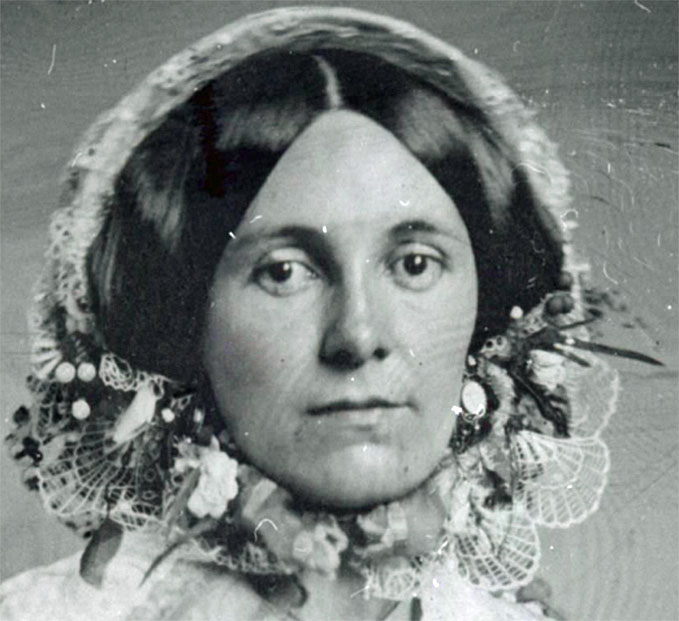


Sometimes it can be difficult to know how to trim a blank bonnet form, so these images focus on the details of bonnet decoration from original items, photographs and fashion plates. Enjoy! :)

Corduroy Bonnet - Henry Ford Collection

Satin Beauty - Mirror Image Gallery
Silk Taffeta late 1850s - LACMA

c.1850 - Mirror Image Gallery

Petersons Magazine 1855
1850s drawn bonnet - Henry Ford Costume Collection
Woman in Flowered Bonnet - MET collection
Straw bonnet 1856 - MET Collection
1850s straw bonnet - MFA Collection

Petersons Magazine 1858

Ambrotype by William Edward Kilburn - National Media Museum
Cotton and wool bonnet 1850-59 - MET collection
Straw bonnet - MFA collection
Woman in a bonnet with flowers - Cosmorochester collects

New Monthly Belle 1851
1850s straw and horsehair bonnet - MET collection
Possibly Mrs Haggerty, sister of Mathew Brady - LOC collection
Pretty victorian in bonnet - Mirror Image Gallery
French bonnet c.1850 - MFA collection

Arthurs magazine 1854
Mrs Cora Vail 1854 - Missouri History Museum
Lady in furs and bonnet by Plumbe - Mirror Image Gallery
Ribbon detail, French bonnet c.1850 - MFA collection
Ribbon detail, Straw bonnet 1856 - MET collection
Aunt of Franz Friedrich - MET collection
Victorian beauty - Mirror Image Gallery
Wednesday, 20 February 2013
Inspirational primary resources - Part 3 Paintings
I love looking at paintings for costume inspiration. They are available for all periods, are often rich in detail and colour and cover a variety of subjects. They are also great snippets of social history; the countess in her finery, a family receiving visitors, a day at the races, each moment a time capsule captured by the artist. Of course we have to be slightly wary of artistic interpretation. Often images of the working classes were romanticised, people may have received the 19th century equivalent of photoshopping, and of course there may be degrees of artistic license in any painting. But even then when these changes are obvious, it can tell us something about the society in which these artists and the subjects lived. I think that's what my favourite thing is about viewing period paintings, peeking through the looking glass into the 19th century; seeing the lady at boudoir in her morning wrapper, a frozen snapshot of the hustle and bustle of the Victorian seaside resort with all it's paraphernalia, little cameos of Victorian life for us to share. Here are some of my favourite paintings from the period 1830 - 1865, with focus on the costume content. The last painting is a particular favourite as it is Ramsgate, the town in which i grew up.


ca. 1833 The
Family of John Q. Aymar -Attributed to George W. Twibill Jr
Note the hairstyle, earings, neckchain, sleeve design and matching fichu / belt
Fan
Shoes
Shawl
1848
Grand Duchess Anna Feodorovna by Franz Xavier Winterhalter (Royal
Collection)
Note the smaller more practicle ribbons used to tie the bonnet and the wider ribbons for decoration.

Bracelet and glove

1852 The eve of the wedding - Jerry Barrett
The lurker in the background
Bracelets
Shawl
Black shoe and cream wedding boots
Straw bonnet - i like the rounded ends of the ribbons

1862 Strange faces – Frederick Walker
Bonnet with contrasting bavolet and ties
Shawl
Matching parasol - with a book on top! o_O
Dress and apron

c.1860s A Victorian Family at the Seaside Charles Wynne Nicholls
Spoon bonnet, paisley shawl and small sewing basket
Hairnet, fringed parasol, straw hat and purple gloves
Sheer dress, straw pillbox hat, long handled parasol and large lace shawl

1852 - 54 Ramsgate Sands (Life at the seaside) William Powell Frith - Royal Collection
Shawls, petticoat, bonnets, gloves and uglys (a folding sunshade worn on the front of bonnets)
Bonnet, shawl and parasol/umbrella
Bonnets, bonnet veil and parasols
More uglys
Shawl and parasol
Subscribe to:
Posts (Atom)